The Role of CNC Machining in Advancing Aerospace Manufacturing
Understanding CNC Machining in Aerospace Manufacturing
What is CNC Machining?
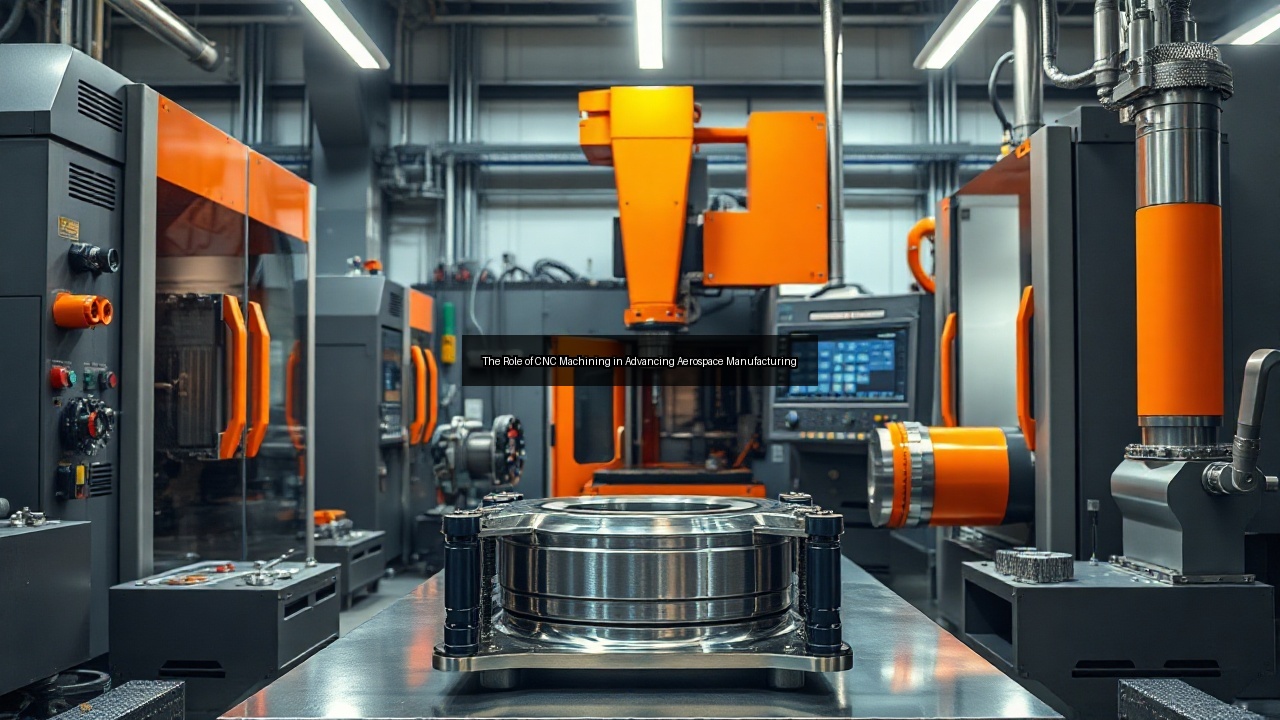
CNC machining, or Computer Numerical Control machining, is a process that utilizes computer software to control tools and machinery for precision manufacturing. In the aerospace industry, CNC machining plays a crucial role in producing high-quality components that meet stringent standards. Machinists program CNC machines to perform a variety of tasks, including milling, turning, and drilling, which ensures that the machined parts maintain exact specifications. These machines can handle various materials, including metals such as aluminum, titanium, and cobalt, which are essential for aerospace applications. The ability to produce complex geometries with high repeatability makes CNC machining indispensable in aerospace manufacturing.
Key Materials Used in Aerospace Machining
The aerospace industry demands materials that can withstand extreme conditions while maintaining structural integrity. CNC machining often involves materials such as aluminum, known for its lightweight properties, and aerospace parts machining titanium, recognized for its strength-to-weight ratio. Stainless steel and tool steel also find applications in aerospace component machining due to their durability and corrosion resistance. Machinists often work with castings and wrought materials, carefully selecting the right type based on the specific requirements of each part. The choice of material directly affects the reliability and performance of the final product, making the understanding of material properties crucial for successful aerospace machining.
The Importance of Precision and Accuracy in Aerospace Components
Precision and accuracy stand at the forefront of aerospace component manufacturing. Aircraft and spacecraft require parts that meet rigorous tolerances to ensure safety and performance. CNC machining excels in producing components that adhere to these tight specifications. Any deviation in dimensions can lead to catastrophic failures, making quality control paramount. Machinists apply advanced measurement tools to verify the accuracy of machined parts, ensuring they comply with engineering designs. The combination of high-quality materials, sophisticated machinery, and skilled labor guarantees that aerospace parts meet industry standards, enhancing the safety and reliability of military aircraft, UAVs, and other aerospace applications.
Innovations in Aerospace Machining Technologies
Advancements in Industrial Automation for CNC Machining
The integration of industrial automation into CNC machining has revolutionized the aerospace manufacturing landscape. Automated systems reduce human error and enhance efficiency, allowing machinists to focus on more complex tasks. Technologies such as robotic arms and automated tool changers streamline the machining process, enabling manufacturers to produce aerospace components at a faster rate without compromising quality. These advancements also facilitate the implementation of smart manufacturing principles, where real-time data analysis helps optimize production schedules and maintenance routines. As industrial automation continues to evolve, its impact on aerospace machining services aerospace parts machining becomes increasingly significant, driving innovation and cost-effectiveness.
The Role of Machinists in Modern Aerospace Manufacturing
Despite the rise of automation, skilled machinists remain essential in modern aerospace manufacturing. Their expertise in CNC programming, tool selection, and machine operation ensures that the machining processes align with engineering specifications. Machinists interpret complex engineering drawings, enabling them to set up machines accurately for intricate aerospace parts. They also play a vital role in troubleshooting issues that may arise during the machining process. Continuous training and development in cutting-edge technologies empower machinists to adapt to new tools and techniques, maintaining the high standards required in the aerospace industry. Their contributions are pivotal to the reliable production of components for military aircraft, UAVs, and spacecraft.
Techniques for Machining Complex Aerospace Parts
Machining complex aerospace parts involves employing advanced techniques that push the boundaries of traditional manufacturing. Multi-axis CNC machining allows for intricate designs and shapes, accommodating the unique requirements of components like turbine blades and engine parts. These machines can operate on several axes simultaneously, enabling the creation of complex geometries with precision. Additionally, additive manufacturing techniques, such as 3D printing, complement traditional machining processes by allowing the fabrication of prototypes and custom parts. The combination of these techniques enhances the overall capabilities of aerospace machining services, facilitating the manufacturing of lightweight structures and components that meet evolving industry demands.
Applications of CNC Machining in the Aerospace Sector
Machining Components for Military Aircraft and Missiles
Military aircraft and missiles require components that can withstand extreme operational conditions. CNC machining provides the precision necessary for producing critical parts such as airframes, control surfaces, and missile casings. The use of high-strength materials like titanium and steel ensures durability while maintaining lightweight characteristics. Aerospace machining services focus on creating components that meet strict military specifications, where reliability and performance are non-negotiable. Machinists often collaborate closely with engineers to ensure seamless integration of machined parts into the overall design, thereby enhancing the functionality and effectiveness of military aircraft systems.
Fabrication of Turbine Blades and Engine Parts
Turbine blades and engine parts represent some of the most challenging components in aerospace manufacturing due to their intricate designs and the extreme conditions they face. CNC machining excels in fabricating these components with high precision, ensuring they maintain efficiency and performance in harsh environments. Machinists utilize advanced techniques to create turbine blades from high-temperature materials, allowing for optimal airflow and fuel efficiency in jet engines. The ability to produce parts that meet the rigorous demands of aerospace engineering enhances the overall reliability of aircraft and contributes to improved fuel economy and reduced emissions.
The Growing Demand for UAV and Spacecraft Machining
The demand for unmanned aerial vehicles (UAVs) and spacecraft continues to rise, driving the need for specialized aerospace machining services. UAVs require lightweight yet robust components, and CNC machining enables the production of parts that meet these criteria. Additionally, the burgeoning field of space architecture calls for precise machining of spacecraft components, including structural elements and propulsion systems. Machinists face unique challenges in this sector, such as working with advanced materials and ensuring component performance under extreme conditions. As the aerospace industry evolves, the focus on UAV and spacecraft machining will expand, highlighting the importance of precision and innovation in manufacturing.
Challenges and Future Trends in Aerospace Machining Services
Reliability and Quality Control in Aerospace Manufacturing
Quality control remains a critical challenge in aerospace machining services. The implications of manufacturing defects can be severe, leading to safety risks and financial losses. Machinists must implement rigorous quality assurance processes to verify that each component meets exacting standards. Advanced inspection technologies, including non-destructive testing and 3D scanning, enhance quality control efforts. These technologies allow for real-time monitoring of machining processes and early detection of potential issues. As the aerospace industry continues to grow, the emphasis on reliability will drive the adoption of even stricter quality control measures, ensuring that every machined part contributes to the safety and performance of aircraft and spacecraft.
Sustainable Practices in Aerospace Machining
The aerospace industry increasingly prioritizes sustainability, influencing machining practices. Machinists and manufacturers are exploring ways to minimize waste and reduce energy consumption in production processes. Implementing recycling programs for metal scraps and using environmentally friendly cutting fluids are examples of sustainable practices gaining traction. Additionally, advancements in CNC technology often lead to more efficient machining operations, reducing the environmental footprint of manufacturing. As regulations and consumer preferences shift toward more sustainable practices, the aerospace machining sector will evolve, adopting innovative approaches that balance performance with environmental responsibility.
The Impact of Aerospace Engineering Innovations on Machining Services
Aerospace engineering innovations significantly influence machining services, driving the development of new techniques and processes. The integration of artificial intelligence and machine learning into CNC machining systems allows for adaptive manufacturing processes that optimize efficiency and reduce downtime. Moreover, advancements in materials science lead to the introduction of new alloys and composites that machinists must learn to work with effectively. As aerospace engineering continues to push boundaries, machining services must adapt, embracing new technologies and methodologies to meet the evolving demands of the industry. This dynamic relationship between engineering and machining will shape the future of aerospace manufacturing.
See Also
- Crafting Tomorrow's Spacecraft with Advanced Aerospace Machining Techniques
- The Synergy Between Aerospace Machining Services and Advanced Materials
- The Future of Aerospace Machining in Space Architecture
- The Art of Machining Aerospace Castings for Enhanced Performance
- How Industrial Automation is Transforming Aerospace Machining Efficiency