A Beginner's Guide to Vacon Variable Frequency Drives
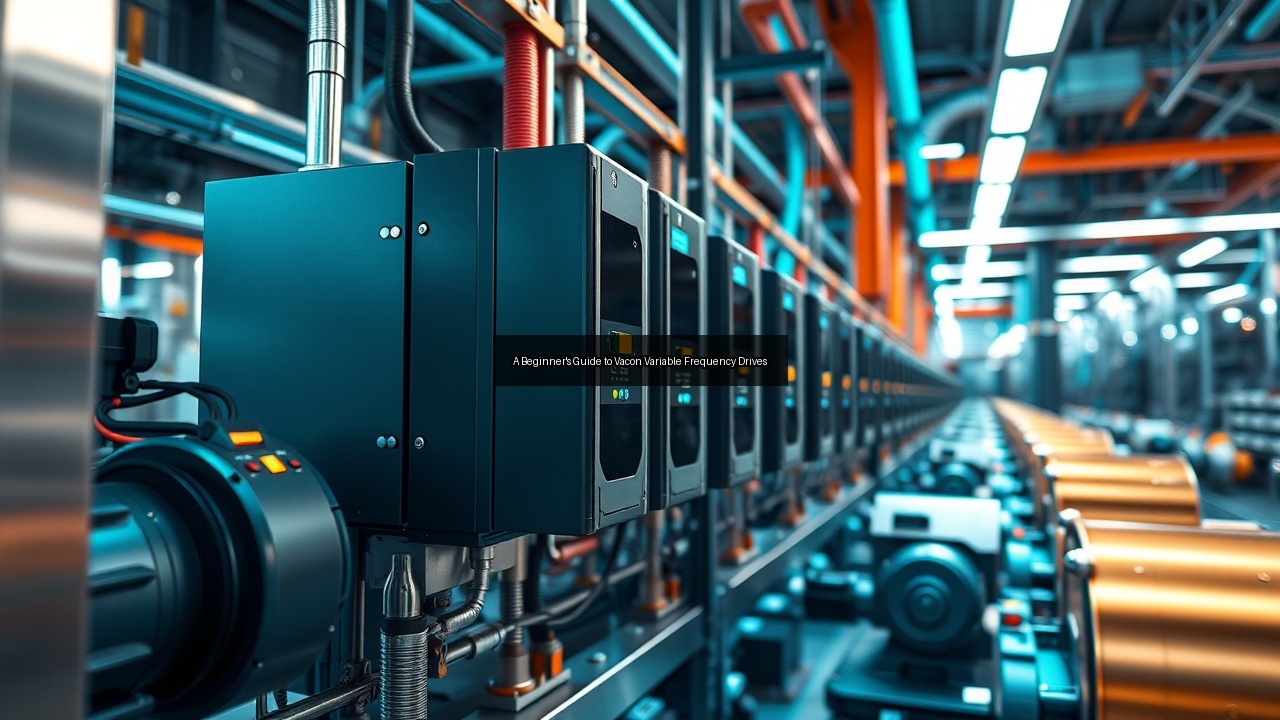
Understanding Vacon Variable Frequency Drives
What are Vacon Drives?
Vacon drives represent a specialized category of variable frequency drives (VFDs) designed to control the speed and torque of electric motors. Vacon, a prominent name in the field of AC drives, offers robust solutions for various industrial applications. These drives utilize advanced technology to ensure precise motor control, enhancing efficiency in operations across diverse sectors. Vacon drives are particularly well-regarded for their reliability and performance, making them a preferred choice for manufacturing, HVAC systems, and other motor-driven applications. Understanding Vacon drives is crucial for businesses looking to optimize their motor functions and improve overall operational efficiency.
How Vacon Drives Work
Vacon drives operate by adjusting the frequency and voltage supplied to electric motors. By varying these parameters, the drive effectively controls the motor's speed and torque. The process begins with an incoming AC supply, which the Vacon drive converts into DC. This conversion occurs through a rectifier. Afterward, an inverter transforms the DC back into AC at the desired frequency and voltage. This method allows for smooth and efficient motor control, reducing energy consumption and mechanical stress on the motor. The ability to fine-tune motor performance leads to increased productivity and decreased wear and tear on equipment. Understanding how Vacon drives function helps in leveraging their capabilities for specific applications.
Key Components of Vacon VFDs
Vacon variable frequency drives comprise several essential components that work together to achieve effective motor control. The primary elements include the rectifier, inverter, control unit, and feedback devices. The rectifier converts the incoming AC power to DC, while the inverter changes the DC back to AC with adjustable frequency and voltage. The control unit plays a critical role in processing signals and making real-time adjustments based on feedback from the motor. Feedback devices, such as encoders and sensors, provide necessary information about motor performance, allowing the Vacon drive to optimize operation. Understanding these components offers insight into how Vacon drives maintain efficiency and reliability in various applications, from simple fans to complex industrial machinery.
Benefits of Using Vacon AC Drives
Energy Efficiency and Cost Savings
One of the most significant advantages of utilizing Vacon AC drives is their ability to promote energy efficiency. By adjusting motor speed to the specific requirements of the application, Vacon drives minimize energy wastage. Traditional motor systems often operate at constant speeds, regardless of the necessary output. This inefficiency leads to excessive energy consumption and increased operational costs. Vacon drives, on the other hand, allow for variable speed control, enabling motors to consume only the energy required for their current task. Over time, this translates into substantial cost savings on electricity bills, making Vacon drives an economically viable choice for industries focused on sustainability and operational efficiency.
Enhanced Control of Electric Motors
Vacon drives provide unparalleled control over electric motors, allowing for precise adjustments in speed, torque, and acceleration. This level of control is crucial in applications where varying load conditions exist. For instance, in HVAC systems, Vacon drives can adjust fan speeds according to real-time demand, ensuring optimal climate control without unnecessary energy expenditure. Additionally, the ability to program specific speed profiles enhances the operational flexibility of machinery, enabling smoother starts and stops. The enhanced control offered by Vacon drives results in improved process consistency, reduced mechanical stress, and extended lifespan for electric motors. Businesses benefit from this precision, as it leads to higher productivity and fewer maintenance interruptions.
Applications in HVAC and Beyond
Vacon drives find extensive applications in HVAC systems, where they optimize the performance of fans and pumps. By adjusting motor speeds in response to changing environmental conditions, these drives contribute to energy savings and improved indoor air quality. Beyond HVAC, Vacon drives are used in various sectors, including manufacturing, water treatment, and transportation. In manufacturing, for example, they control conveyor belts and robotic actuators, enhancing efficiency and reducing downtime. The versatility of Vacon drives makes them suitable for any industry that relies on electric motors. As industries continue to seek ways to enhance efficiency and sustainability, the adoption of Vacon AC drives is expected to grow, paving the way for innovative applications.
Choosing the Right Vacon Drive for Your Needs
Factors to Consider When Selecting a Variable Frequency Drive
Selecting the appropriate Vacon drive requires careful consideration of various factors. First, assess the specific requirements of your application, including the type of motor, load characteristics, and operational environment. The power rating of the Vacon drive should match the motor's specifications to ensure optimal performance. Additionally, consider the control features offered by the Vacon drive. Some applications may benefit from advanced control algorithms, while others may require simple speed adjustments. Environmental factors, such as temperature and humidity, also play a role in the selection process. Understanding these elements helps in choosing a Vacon drive that aligns with operational needs, ensuring reliable and efficient motor control.
Comparing Vacon Drives to Other AC Drives
When evaluating Vacon drives against other AC drives, several factors come into play. Vacon drives are known for their high performance, user-friendly interface, and flexibility. They often outperform competitors in energy efficiency, thanks to advanced control technology that minimizes power consumption. Additionally, Vacon drives support various communication protocols, ensuring compatibility with existing systems. While some alternative drives may offer lower upfront costs, the long-term energy savings and reduced maintenance associated with Vacon drives often outweigh initial expenses. Analyzing these aspects provides a clear picture of the advantages of Vacon drives over other options, making them a smart investment for efficient motor control.
Common Applications of Vacon Drives
Vacon drives serve an array of applications across multiple industries. In the HVAC sector, they control fan and pump speeds, leading to significant energy savings and improved climate control. In manufacturing, Vacon drives enhance the performance of conveyors, mixers, and other machinery, ensuring smooth operations and increased productivity. Water treatment facilities utilize Vacon drives to regulate pumps, optimizing flow rates and reducing energy consumption. In the transportation sector, these drives control electric motors in various applications, from electric vehicles to rail systems. The versatility of Vacon drives allows for widespread adoption, making them an integral part of modern industrial processes and systems.
See Also
- Exploring the Compatibility of Vacon Drives with Electric Motors
- Harnessing the Power of Vacon Drives for Sustainable Energy Solutions
- Understanding the Benefits of Vacon AC Drives for Energy Savings
- Vacon Drives in Action Real World Applications and Case Studies
- Vacon Drives vs Traditional AC Drives Which is Right for You